
 438 Visitors
1. The Intersection of Chemical Imports and National Security Tariffs
Understanding the Scope of Section 232
While Anatase Grade Titanium Dioxide (HS 3206.11) is primarily classified as a chemical pigment, the current regulatory environment under Section 232 of the Trade Expansion Act of 1962 demands a heightened level of scrutiny. Importers must recognize that U.S. Customs and Border Protection (CBP) utilizes automated targeting systems that flag shipments based on material composition, especially when those materials are destined for the automotive sector.
The 25% Contingent Levy Risk Profile
The 25% contingent levy on steel and aluminum derivatives is not merely limited to raw metal. It extends to downstream products where metal content is significant or where the chemical additive is used to treat, coat, or enhance structural automotive components subject to national security monitoring.
2. Supply Chain Penetration: Indirect Compliance Risks
Downstream Integration Vulnerabilities
Even if your Titanium Dioxide is not a steel product, its application in the automotive supply chain creates a "nexus of concern." If your product is utilized as a coating for structural automotive alloy components, CBP auditors may investigate whether the final assembly constitutes a circumvention of Section 232 steel tariffs. You must document the exact technical application of your pigment to ensure it is not mischaracterized as a component that facilitates the evasion of steel-related trade barriers.
Packaging and Logistics Exposure
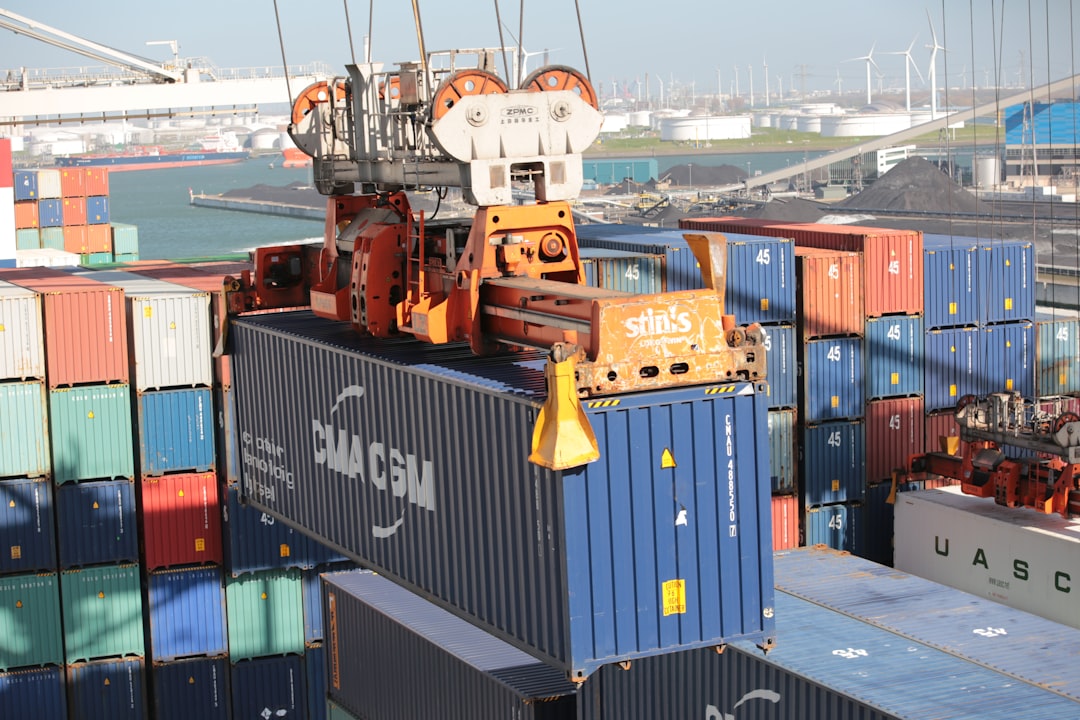
Customs audits often extend to the "means of conveyance." If your Titanium Dioxide is shipped in specialized steel-reinforced crates or containers that are deemed "structural components" under current Section 232 enforcement, the entire shipment could be subject to the 25% levy. Ensure your logistics partners provide detailed specifications for all packaging materials.
3. Classification Fraud and Proactive Defensiveness
The Burden of Proof
Proving an exemption from punitive tariffs requires the same rigor as paying the tax. Relying solely on an HS Code prefix (3206.11) is insufficient. You must maintain an unassailable audit trail that includes a Technical White Paper detailing the chemical purity, the absence of metallic alloy content, and the specific end-use certification.
Audit-Ready Documentation Requirements
4. Comparative Tariff and Regulatory Breakdown
Tariff Structure Analysis
| Category | Status | Risk Level |
|---|---|---|
| HS 3206.11 (Pigment) | Standard Duty | Low |
| Automotive Alloy Coating | Section 232 Scrutiny | High |
5. Strategic Recommendations for Importers
Internal Control Implementation
Establish a quarterly internal audit of your HS classification process. Engage with a licensed customs broker to perform a "Binding Ruling" request if there is any ambiguity regarding the product's interaction with steel-based automotive components. Proactive engagement with CBP is the most effective defense against retroactive duty assessments.
Supply Chain Transparency
Map your supply chain to identify if any upstream components used in the manufacturing of your Titanium Dioxide are sourced from countries currently under Section 232 or AD/CVD investigations. Transparency is your primary shield against allegations of circumvention.
6. Conclusion: The Path to Compliance
Executive Summary
While Anatase Grade Titanium Dioxide remains a vital industrial input, the shadow of Section 232 enforcement necessitates a shift from passive compliance to active defense. By maintaining granular technical documentation and rigorously vetting the end-use applications of your imports, your organization can mitigate the risk of the 25% contingent levy and ensure uninterrupted supply chain operations.
References
- Navigating Swedac and Industrial Safety Standards for Furniture Imports
- Navigating FDA Regulatory Intersections for HS 730441 Imports
- Strategic Importation of 3D Printer Filaments into Kenya
- Navigating SUBREI Tariff Lines for Axial Piston Hydraulic Pumps (HS 841350)
- Navigating GOEIC Registration for High-Speed CNC Lathes (HS 845811)
- Navigating TISI Standard 2131 for Tempered Glass Imports
- Navigating CACQE Certification and Metallurgical Verification for Diesel Power Generators (HS 850211)
- Navigating PRODIAT Subsidization Risks in US-Mexico Trade
- Strategic Import Protocols for LED Lighting Fixtures (HS 9405.42)
- Navigating SNI and TKDN Requirements for Lithium-ion Batteries in Indonesia